
Introduction
The Langtang Gosaikunda Helambu Trek is one of Nepal’s most diverse long-distance trekking routes, combining dramatic Himalayan landscapes, sacred alpine lakes, traditional mountain villages, Buddhist culture, and peaceful forest trails into one unforgettable journey. The trek connects three remarkable regions—Langtang Valley, Gosaikunda, and Helambu—and provides an opportunity to experience both high-altitude wilderness and the cultural life of the Himalayan communities.
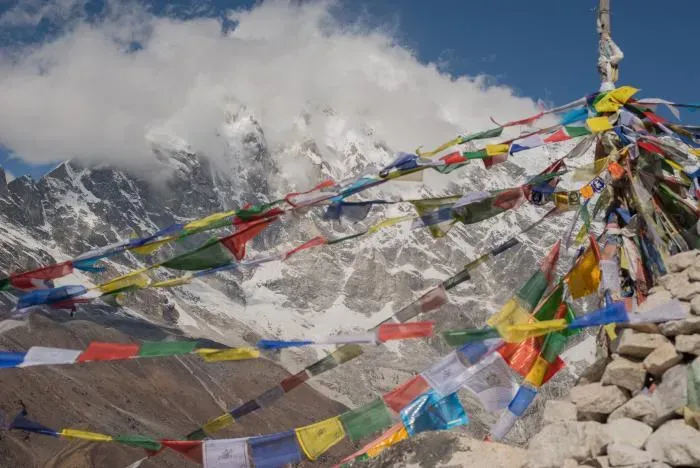
Unlike an out-and-back trek, this route forms a spectacular traverse. Trekkers typically begin around Syabrubesi, follow the Langtang Valley toward Kyanjin Gompa, continue toward the sacred Gosaikunda lakes, cross the high Lauribina La Pass, and descend through the forests and villages of Helambu before returning toward Kathmandu. Depending on the itinerary and acclimatization schedule, the complete journey commonly takes around 14–18 days.
The route reaches high altitude, with Gosaikunda at approximately 4,380 meters and Lauribina La at roughly 4,610 meters, making acclimatization and appropriate preparation essential.
Langtang Gosaikunda Helambu Trek Highlights
This trek offers an impressive combination of natural and cultural attractions:
-
Explore the spectacular Langtang Valley
-
Visit Kyanjin Gompa, one of the major destinations in the Langtang region
-
Experience traditional Tamang mountain villages
-
Enjoy views of Langtang Lirung and surrounding Himalayan peaks
-
Visit the sacred Gosaikunda Lake
-
Cross the challenging Lauribina La Pass
-
Walk through the culturally rich Helambu region
-
Experience forests of rhododendron, oak and other Himalayan vegetation
-
Stay in traditional teahouses and mountain lodges
-
Observe changing landscapes from subtropical forests to alpine terrain
-
Complete a point-to-point Himalayan adventure without retracing the entire route
The Nepal Tourism Board describes the Langtang region as an area of temperate and sub-alpine forests with wildlife including deer, monkeys, Himalayan tahr and pika.
Route and Itinerary Overview
A typical itinerary can be adjusted according to fitness, weather, acclimatization requirements and the chosen trail variations.
Day 1: Arrival in Kathmandu
Arrive in Kathmandu and prepare for the trek. This day is generally used for hotel check-in, equipment preparation, permit arrangements and a trek briefing.
Day 2: Drive to Syabrubesi
The journey begins with a scenic road trip toward Syabrubesi, the principal gateway to the Langtang Valley. The drive passes through hills, rivers, terraced farmland and mountain settlements.
Day 3: Syabrubesi to Lama Hotel
The trail enters Langtang National Park and follows the Langtang River through dense forest. The route gradually gains elevation while passing small settlements and waterfalls before reaching Lama Hotel.
Day 4: Lama Hotel to Langtang Village
The trail continues deeper into the valley. As the elevation increases, the vegetation changes and the mountain scenery becomes increasingly impressive. Langtang Village provides an important cultural and scenic stop.
Day 5: Langtang Village to Kyanjin Gompa
The trail climbs toward Kyanjin Gompa, one of the major highlights of the Langtang trek. The landscape becomes increasingly alpine, with impressive mountain views surrounding the valley.
Day 6: Acclimatization and Exploration at Kyanjin Gompa
An acclimatization day allows trekkers to adjust to the elevation while exploring the surrounding area. Depending on the itinerary and fitness level, an optional hike toward a nearby viewpoint such as Tserko Ri may be included.
Days 7–9: Return and Continue Toward Gosaikunda
After exploring Kyanjin Gompa, the route retraces part of the Langtang Valley before turning toward the Gosaikunda section. The trail gradually climbs through forests and mountain settlements toward the higher elevations.
Day 10: Reach Gosaikunda
Gosaikunda is one of the spiritual and scenic highlights of the trek. Located at approximately 4,380 meters, the sacred lake is surrounded by rugged mountain terrain and several smaller alpine lakes.
For Hindu pilgrims, Gosaikunda holds deep religious significance and is traditionally associated with Lord Shiva. The lake is especially important during the Janai Purnima pilgrimage.
Day 11: Gosaikunda to Ghopte via Lauribina La
This is one of the most demanding sections of the trek. The trail climbs from Gosaikunda toward Lauribina La, reaching approximately 4,610 meters, before descending steeply toward Ghopte.
The crossing can take around 7–9 hours, depending on conditions and individual pace. The descent is particularly demanding because of steep and rocky terrain.
Days 12–14: Ghopte Through Helambu
After crossing the pass, the landscape changes dramatically. The trail descends through forests and traditional settlements toward the Helambu region. Villages such as Tharepati and other Helambu communities provide opportunities to experience the area’s distinctive mountain culture.
Final Days: Helambu to Kathmandu
The trek gradually descends toward the Kathmandu Valley. Depending on the itinerary, the route may finish around Sundarijal or another road-accessible point before continuing to Kathmandu.
Gosaikunda Lake: A Sacred Himalayan Landmark
Gosaikunda is more than a beautiful mountain lake. It is an important pilgrimage destination with strong religious significance in Nepal.
According to traditional Hindu belief, Lord Shiva created the lake by striking the mountain with his trident to obtain water. The lake sits within the Langtang region at approximately 4,380 meters.
Surrounded by rocky slopes and high Himalayan terrain, Gosaikunda provides a dramatic contrast to the green forests encountered earlier in the trek. Several smaller lakes are found in the surrounding area, creating a remarkable high-altitude landscape.
Trekkers should remember that the altitude around Gosaikunda is significant. Reaching the lake should be treated as a high-altitude trekking objective rather than simply a sightseeing stop.
Crossing Lauribina La Pass
The Lauribina La Pass is one of the defining features of the Langtang Gosaikunda Helambu Trek.
At approximately 4,610 meters, it represents the highest major point of the main route. From Gosaikunda, the trail climbs through exposed alpine terrain before reaching the pass. After crossing the ridge, trekkers face a long and sometimes steep descent toward Ghopte.
Weather conditions can significantly influence the difficulty of the crossing. Snow, ice, wind, fog and poor visibility can make the route considerably more challenging. Starting early and allowing sufficient time for the crossing are important parts of responsible trek planning.
Natural Scenery and Wildlife
One of the greatest attractions of this trek is the dramatic change in scenery.
The lower sections feature forests, rivers, waterfalls and cultivated hillsides. Higher sections gradually transition into alpine meadows, rocky slopes and glacial landscapes.
Langtang National Park contains a variety of Himalayan ecosystems. According to the Nepal Tourism Board, wildlife in the region includes Himalayan tahr, deer, monkeys, pika and numerous bird species.
Spring is particularly attractive because rhododendrons add color to the forested sections, while clear autumn conditions often provide excellent mountain visibility.
Culture and Local Communities
The trek provides meaningful exposure to several Himalayan communities and traditions.
The Langtang section has strong connections with Tamang culture, while the Helambu region is closely associated with Hyolmo communities and Tibetan Buddhist traditions. Moving from Langtang toward Helambu therefore provides a cultural transition alongside the changing geography.
Teahouses and locally operated lodges are an important part of the trekking experience. Staying in these establishments supports mountain communities while allowing visitors to experience local hospitality and cuisine.
Best Time for Langtang Gosaikunda Helambu Trek
The principal trekking seasons are spring and autumn.
Spring: March to May
Spring generally brings improving weather, blooming rhododendrons and increasingly clear mountain views. It is a popular period for trekking in the Langtang region.
Autumn: September to November
Autumn is another major trekking season. Clear skies and generally stable conditions make this period attractive for high-altitude sections and mountain photography.
Winter can bring snow and icy conditions around Lauribina La, while the monsoon season can produce rain, clouds, slippery trails and difficult road access.
Because conditions can change quickly at high altitude, trekkers should check current trail and transportation conditions before departure.
Difficulty Level and Physical Preparation
The Langtang Gosaikunda Helambu Trek is generally considered a challenging high-altitude trek rather than a beginner-level hiking trip.
The primary challenges include:
-
Long trekking days
-
Significant elevation gain and loss
-
High-altitude walking
-
Cold temperatures
-
Rocky and uneven trails
-
The Lauribina La crossing
-
Long descents after the pass
-
Variable mountain weather
A regular fitness program several weeks before departure can be helpful. Cardiovascular training, long walks, stair climbing and strength exercises can prepare the body for consecutive trekking days.
Most importantly, trekkers should allow enough time for acclimatization and avoid rushing the ascent.
Permits and Guide Requirements
The route passes through protected areas and trekking regions where permits and guide requirements apply. Nepal Tourism Board information states that licensed guides and agency-issued TIMS cards are mandatory on listed routes including the Helambu and Gosaikunda trekking areas.
Permit requirements and access conditions can change, so trekkers should confirm the current regulations before starting their journey.
Accommodation and Food
Accommodation along the route is primarily provided by teahouses and mountain lodges.
Facilities become more basic in remote and high-altitude sections. A typical lodge may provide a simple room, shared facilities and a dining area where trekkers can eat meals such as dal bhat, noodles, soups, rice, vegetables and other local or trekking-friendly dishes.
Between Gosaikunda and Ghopte, accommodation options can be more limited than in larger villages, making proper itinerary planning particularly important.
Essential Packing List
A suitable packing list should include:
-
Waterproof trekking boots
-
Warm layers and thermal clothing
-
Down or insulated jacket
-
Waterproof jacket and trousers
-
Trekking poles
-
Warm hat and gloves
-
Sunglasses and sunscreen
-
Sleeping bag suitable for cold conditions
-
Water bottles or hydration system
-
Water purification tablets or filter
-
Basic first-aid supplies
-
Headlamp and spare batteries
-
Personal medications
-
Trekking backpack
-
High-energy snacks
-
Personal hygiene items
Packing light is useful, but adequate protection against cold and changing weather should take priority.
Altitude and Safety Considerations
Altitude is one of the most important considerations on this trek. Gosaikunda sits above 4,300 meters and the route subsequently crosses Lauribina La at more than 4,600 meters.
Trekkers should monitor themselves for symptoms associated with altitude illness, including headache, dizziness, unusual fatigue, nausea or breathing difficulties. Symptoms that worsen should never be ignored.
A sensible itinerary should provide gradual acclimatization rather than rapid elevation gain. Hydration, adequate rest and a controlled walking pace are also important.
If serious altitude symptoms develop, descending to a lower elevation is an important emergency response. Trekkers should also travel with a qualified guide and appropriate emergency arrangements.
Why Choose the Langtang Gosaikunda Helambu Trek?
The main appeal of this trek is its variety. In one journey, trekkers can experience the deep valleys of Langtang, high Himalayan landscapes around Gosaikunda, a challenging mountain pass and the forested cultural landscape of Helambu.
It combines adventure, nature, spirituality and cultural discovery without requiring a domestic mountain flight. The route also provides a strong sense of progression because the scenery changes continually as the trail moves from lower forests to alpine terrain and then descends into greener valleys.
For trekkers looking for a longer Himalayan experience beyond the most heavily visited routes, the Langtang Gosaikunda Helambu Trek provides a comprehensive journey through some of central Nepal’s most distinctive mountain landscapes.
Conclusion
The Langtang Gosaikunda Helambu Trek is a remarkable Himalayan adventure that connects three geographically and culturally distinct areas of Nepal. From the dramatic Langtang Valley and the mountain scenery around Kyanjin Gompa to the sacred waters of Gosaikunda and the challenging Lauribina La crossing, every stage offers a different trekking experience.
The final descent through Helambu adds another dimension to the journey, combining forest trails, traditional villages and Buddhist cultural heritage. At the same time, the altitude and demanding terrain mean that careful preparation, acclimatization, appropriate equipment and attention to weather conditions are essential.
For travelers seeking a multi-day Nepal trekking experience that combines high mountains, sacred lakes, diverse landscapes and Himalayan culture, the Langtang Gosaikunda Helambu Trek offers a memorable and rewarding route through the heart of the Langtang and Helambu regions.