
Morocco enchants visitors with an extraordinary blend of ancient medinas, dramatic landscapes, Saharan dunes, and warm hospitality that few destinations can match. Tours to Morocco offer travelers structured pathways through this complex, diverse country where navigating independently can prove overwhelming for first-time visitors. Whether seeking cultural immersion in imperial cities, desert adventures, mountain trekking, or coastal relaxation, Morocco delivers experiences that linger in memory long after returning home. Understanding tour types, destinations, and planning considerations helps you choose the right Moroccan adventure.
Why Choose Guided Tours to Morocco
Morocco’s richness creates both opportunity and complexity for independent travelers. Ancient medinas like Fes and Marrakech contain thousands of alleyways where getting lost is almost inevitable without local guidance. Cultural nuances, bargaining customs, and regional languages including Darija Arabic, Tamazight Berber dialects, and French can overwhelm visitors attempting independent navigation.
Guided tours solve these challenges while adding valuable layers of knowledge. Expert local guides provide historical context, cultural insight, and logistical efficiency that transforms sightseeing into genuine understanding. They navigate medina labyrinths confidently, facilitate authentic interactions with artisans and locals, and reveal hidden corners tourists rarely discover independently.
Safety considerations also favor guided tours, particularly for solo female travelers or those visiting remote desert regions. Organized tours provide structured environments with established operators maintaining reputations through consistent positive experiences.
Beyond practicality, tours often access experiences difficult or impossible to arrange independently. Private desert camps, authentic homestays, exclusive cultural demonstrations, and off-the-beaten-path villages become accessible through operators with established local relationships.
Types of Tours Available
Imperial Cities Cultural Tours
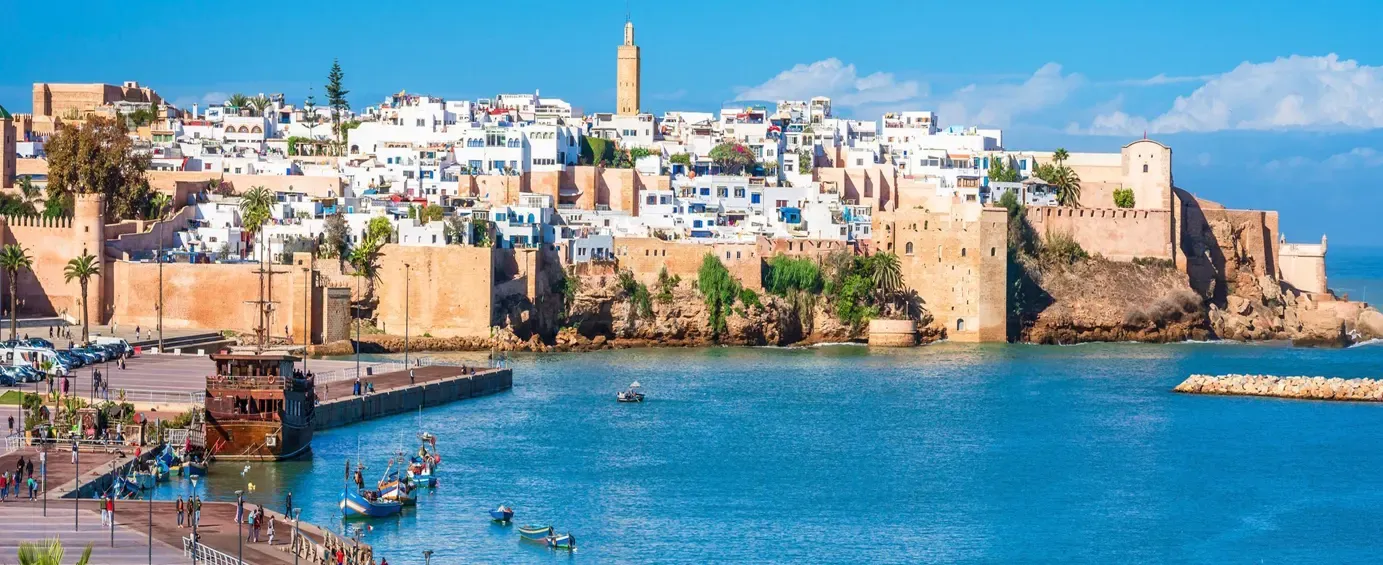
Morocco’s four imperial cities represent the country’s historical and cultural heartland. Tours focusing on Marrakech, Fes, Meknes, and Rabat typically span seven to ten days, visiting ancient medinas, royal palaces, mosques, and traditional souks in each city.
Fes receives the most extensive coverage in cultural tours due to its complexity and historical significance. The 9,000-street medina, Al-Qarawiyyin University founded in 859 AD, traditional tanneries, and specialized craft souks reward multiple days of exploration. Expert guides make the difference between superficial visits and genuine cultural understanding.
Marrakech’s Jemaa el-Fnaa square, Bahia Palace, Majorelle Garden, and atmospheric souks provide vivid introductions to Moroccan urban life. The contrast between Marrakech’s intense energy and Fes’s more contemplative atmosphere highlights Morocco’s internal diversity.
Desert Adventures
Tours to Morocco’s Sahara Desert rank among the country’s most popular experiences. Three to four-day desert circuits from Marrakech cross the High Atlas Mountains, visit Ait Benhaddou’s UNESCO kasbah, traverse Todra and Dades gorges, and reach the Erg Chebbi dunes near Merzouga for camel treks and overnight desert camps.
Shorter two-day Zagora desert tours provide accessible alternatives for time-constrained travelers, reaching smaller but authentic Saharan dunes with less driving than Merzouga routes.
Luxury desert tours offer premium experiences in upscale camps with private tents, gourmet meals, and additional activities like quad biking, sandboarding, and visits to nomadic communities. Budget options use simpler accommodations while delivering the same fundamental desert experiences.
Coastal and Beach Tours
Morocco’s Atlantic and Mediterranean coastlines offer distinct characters worth exploring. Essaouira’s relaxed blue-and-white medina, fresh seafood, and artistic atmosphere provides perfect contrasts to inland city intensity. The coastal breeze offers relief from summer heat while independent artisan communities create vibrant cultural scenes.
Agadir caters to beach holiday preferences with modern resort facilities, sandy beaches, and water sports. Asilah’s whitewashed buildings decorated with street murals create photogenic settings in northern Morocco.
Mountain and Trekking Tours
The High Atlas Mountains provide serious trekking opportunities including Mount Toubkal ascents (North Africa’s highest peak at 4,167 meters) and multi-day village-to-village treks through Berber communities. These specialized tours combine physical challenge with cultural immersion.
The Rif Mountains near Chefchaouen offer gentler hiking through forested hills and traditional villages. The famous blue city serves as an excellent trekking base with cooler temperatures than lowland Morocco.
Comprehensive Circuit Tours
Full Morocco tours spanning ten to fourteen days attempt covering the country’s highlights in single itineraries. These comprehensive circuits typically include Casablanca, Rabat, Chefchaouen, Fes, Meknes, Volubilis Roman ruins, Merzouga desert, Dades Valley, Ait Benhaddou, Ouarzazate, and Marrakech.
While ambitious, comprehensive tours provide overviews helping first-time visitors understand Morocco’s geographical diversity and identify areas worth returning to explore more deeply.
Popular Tour Destinations
Chefchaouen
The blue mountain city has become one of Morocco’s most photographed destinations. Narrow streets painted in various blue shades create atmospheric settings for photography and exploration. The relaxed pace, mountain air, and artisan culture contrast with larger cities, making Chefchaouen a favorite stop on northern Morocco circuits.
Ait Benhaddou
This UNESCO World Heritage ksar near Ouarzazate appears in countless films and television productions. The earthen architecture rising against desert backdrop creates striking images, and guided tours explain the history and construction techniques of these fortified villages.
Volubilis
Morocco’s best-preserved Roman ruins provide historical perspectives beyond Islamic culture. Well-maintained mosaics, triumphal arches, and columns create impressive archaeological sites set amid rolling Moroccan countryside.
Merzouga and Erg Chebbi
The towering dunes of Erg Chebbi near Merzouga represent the quintessential Saharan experience. Camel treks at sunset, traditional music around campfires, and star-filled skies create experiences defining Morocco tours for many visitors.
Todra and Dades Gorges
These dramatic limestone canyons in southern Morocco provide spectacular scenery. Todra Gorge’s 300-meter cliffs create narrow passages where the sky appears as a narrow strip above. Dades Valley’s bizarre rock formations called “monkey fingers” add geological interest.
Choosing the Right Tour
Group vs Private Tours
Group tours (typically eight to sixteen participants) reduce costs significantly, often by 30 to 50 percent compared to private options. They provide social opportunities, built-in companionship for solo travelers, and minimal planning requirements.
Private tours offer flexibility, personalized pacing, and customized itineraries at premium prices. Couples, families, and travelers with specific interests or mobility requirements typically benefit most from private arrangements.
Small group tours of four to eight participants offer middle ground, combining some social benefits with greater flexibility and attention than larger group tours.
Tour Duration
Short tours of three to four days focus on specific experiences like desert circuits or city explorations. These suit travelers with limited vacation time or those combining Morocco with other destinations.
Week-long tours covering seven to eight days provide satisfying introductions to Morocco’s highlights without feeling rushed. Most first-time visitors find this duration balances depth with variety.
Extended tours of ten to fourteen days allow comprehensive exploration, relaxed pacing, and off-the-beaten-path discoveries. These suit travelers with more time and genuine passion for experiencing Morocco thoroughly.
Budget Considerations
Budget group tours start around $50 to $80 per person daily for basic accommodations and transportation. Mid-range tours cost $100 to $180 daily offering comfortable riads and smaller groups. Luxury private tours exceed $250 to $400 per person daily with premium accommodations and personalized service.
Overall tour costs for common durations like seven to eight days range from $500 to $700 budget, $800 to $1,200 mid-range, and $1,500 to $3,000 luxury.
Selecting Reputable Operators
Research operators thoroughly on TripAdvisor, Google Reviews, and travel forums. Look for consistent positive feedback about guide quality, accommodation standards, and whether companies deliver promised services.
Verify business registration and confirm operators hold appropriate licenses for operating tours in Morocco. Reputable companies provide detailed itineraries with specific accommodation names rather than vague descriptions.
Beware of unusually low prices indicating hidden costs, substandard services, or unreliable operators. Mid-range pricing from established operators with strong reputations typically delivers best value.
Practical Considerations
Best Time to Visit
Spring (March to May) and autumn (September to November) offer ideal temperatures throughout the country with comfortable conditions from mountains to desert. These peak seasons see maximum tourist numbers requiring advance booking.
Summer brings intense heat in inland cities and desert areas, though coastal destinations remain pleasant. Winter brings cool temperatures to mountains and deserts with occasional snow in the Atlas, while southern regions remain mild.
Visa Requirements
Many nationalities including Americans, Europeans, Canadians, and Australians receive free 90-day tourist visas on arrival in Morocco. Check current requirements as policies may change and some nationalities require advance applications.
Currency and Payments
Morocco’s currency is the Moroccan Dirham (MAD), not convertible outside the country. Exchange money upon arrival at airports, banks, or official exchange bureaus. Credit cards work in major hotels and larger shops, but carry cash for medina shopping and smaller establishments.
Health and Safety
Morocco is generally safe for tourists with standard precautions. Drink only bottled water, be cautious with street food from less busy vendors, and use hand sanitizer frequently. Travel insurance providing medical coverage is essential.
Cultural Respect
Dress modestly, particularly for women visiting religious sites. Cover shoulders and knees throughout medinas and smaller towns. Remove shoes before entering mosques (where permitted). Ask permission before photographing people and be prepared for occasional refusals.
Conclusion: Frequently Asked Questions
Do I need a guide for tours to Morocco?
Guides aren’t legally required throughout Tours to Morocco, but they dramatically improve experiences, particularly in complex medinas like Fes. Official licensed guides provide historical context, prevent harassment from unofficial “guides,” and reveal hidden aspects of cities impossible to discover independently. For desert tours, guides are essential for navigation and safety. Many travelers find guides worthwhile investments that transform sightseeing into genuine cultural understanding.
Is Morocco safe for solo travelers?
Morocco is generally safe for solo travelers, though standard precautions apply. Solo female travelers may experience unwanted attention in larger cities, particularly around tourist areas. Joining organized tours provides additional security and built-in companionship. Staying in reputable riads, dressing modestly, and avoiding isolated areas at night reduces risks. Most visitors complete Morocco tours without significant safety concerns.
What language do I need for Morocco tours?
French works well throughout Morocco as a second language for many locals. English is increasingly common in tourist areas, hotels, and tour operations. Basic French phrases significantly improve interactions in smaller towns and traditional areas. Arabic greetings earn goodwill from locals regardless of your language abilities.
What should I absolutely not miss on tours to Morocco?
Fes medina exploration with a knowledgeable guide, Sahara desert overnight experiences including camel treks and stargazing from desert camps, Ait Benhaddou kasbah visits, Chefchaouen’s blue streets photography, and Marrakech’s Jemaa el-Fnaa evening food stalls represent experiences that define Moroccan tourism. These core experiences appear in most comprehensive tours for good reason.
How far in advance should I book Morocco tours?
Peak season (March to May and September to November) requires booking two to three months ahead for quality operators with preferred accommodations. Last-minute availability exists but risks inferior accommodations and less experienced guides. Desert camp availability during peak periods fills quickly. Budget travelers with flexible dates can often find last-minute deals, particularly in shoulder and low seasons.